Nathan Aké, Mason Greenwood, Leandro Trossard and – last but not least – Mo Salah: they all succumbed to the lure of Turkey this summer.
There is a very good chance that they will be joined by a few big names in the coming weeks. Brahim Díaz, Endrick, Bruno Fernandes, Rafael Leão, Marcus Rashford, Dusan Vlahovic, our own Romelu Lukaku, and even Jamal Musiala have already been, or are being, strongly linked with a move to Turkey.
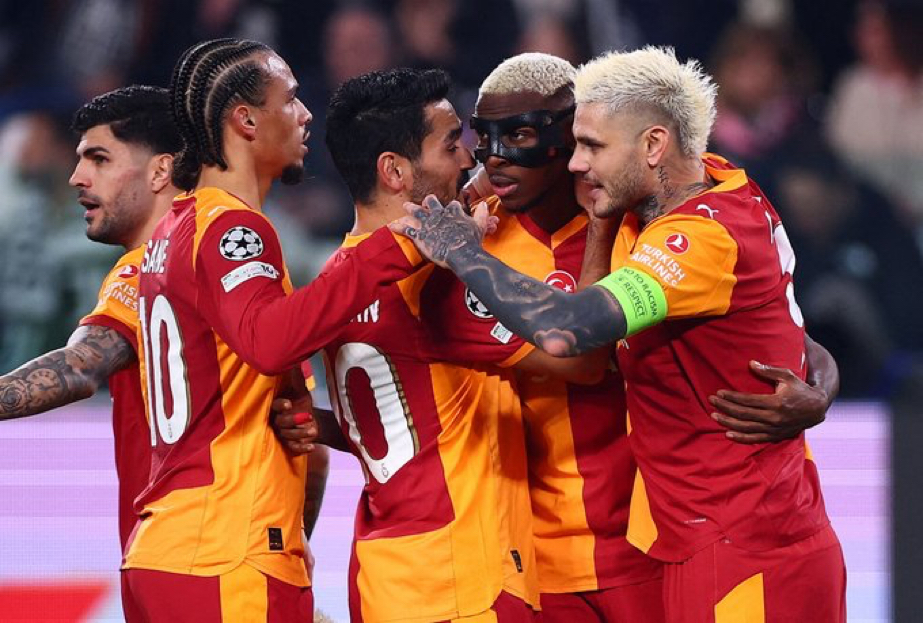
Admittedly, the Turkish Süper Lig has had a soft spot for (past-season) stars for a while, but since Galatasaray’s monster deal for Victor Osimhen, that urge has taken on a new dimension. Where does it come from?
Or perhaps the better question is: where does all that money come from?
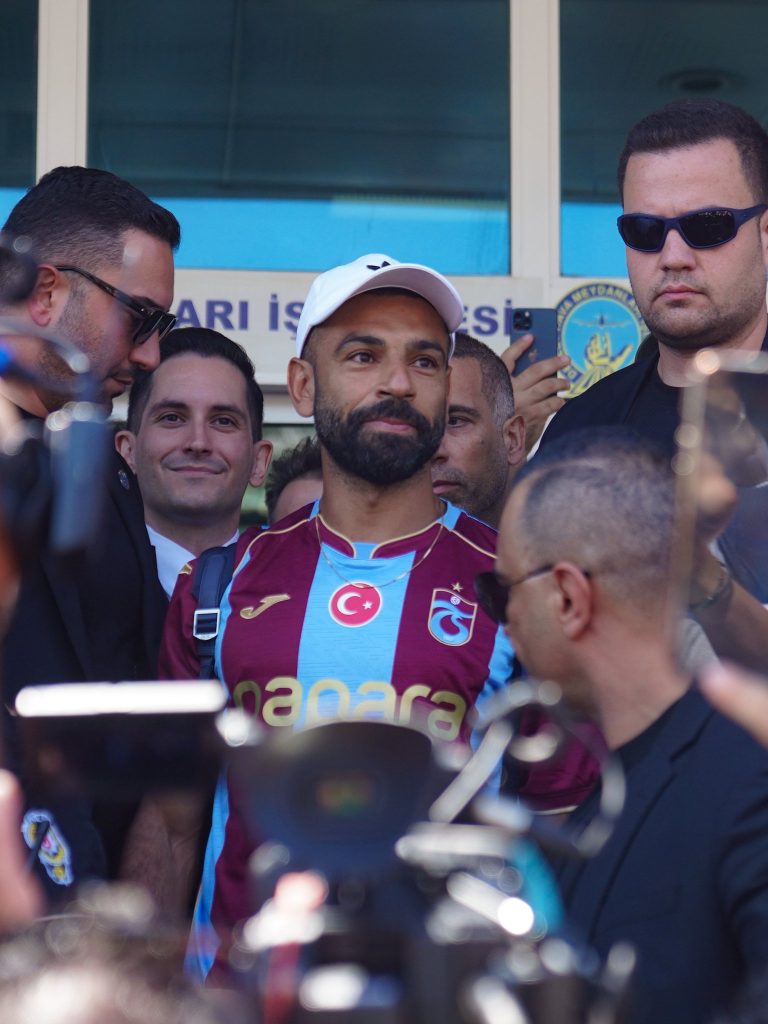
For one thing is crystal clear: stargazing costs a fortune. Take the latest top deal involving Mo Salah, who, incidentally, was only snatched by Trabzonspor at the very last minute at the expense of Besiktas. The Egyptian football pharaoh certainly didn’t do that just for their good looks… Salah is set to earn no less than 17 million euros annually at Trabzon.
That is just a few million away from his paycheck at Liverpool FC. For the record: since the 21st century, Trabzonspor has won one league title and five cups. By Belgian standards, therefore, we are talking about a club like, say, KRC Genk.
Mo Salah at Genk; we don’t see that happening anytime soon.
In Turkey, apparently, it is possible. The budgets there are, after all, on a completely different scale. There are several explanations for this.
First of all, the size of Turkey’s hinterland should not be underestimated, a country that, according to the latest figures, has nearly 88 million inhabitants. That is slightly more than Germany, the largest country in the European Union by population. All those Turks have one thing in common: they are football crazy.
To give just one example: it is estimated that Galatasaray has between 30 and 45 million fans worldwide. Only the absolute giants of the world can surpass that.
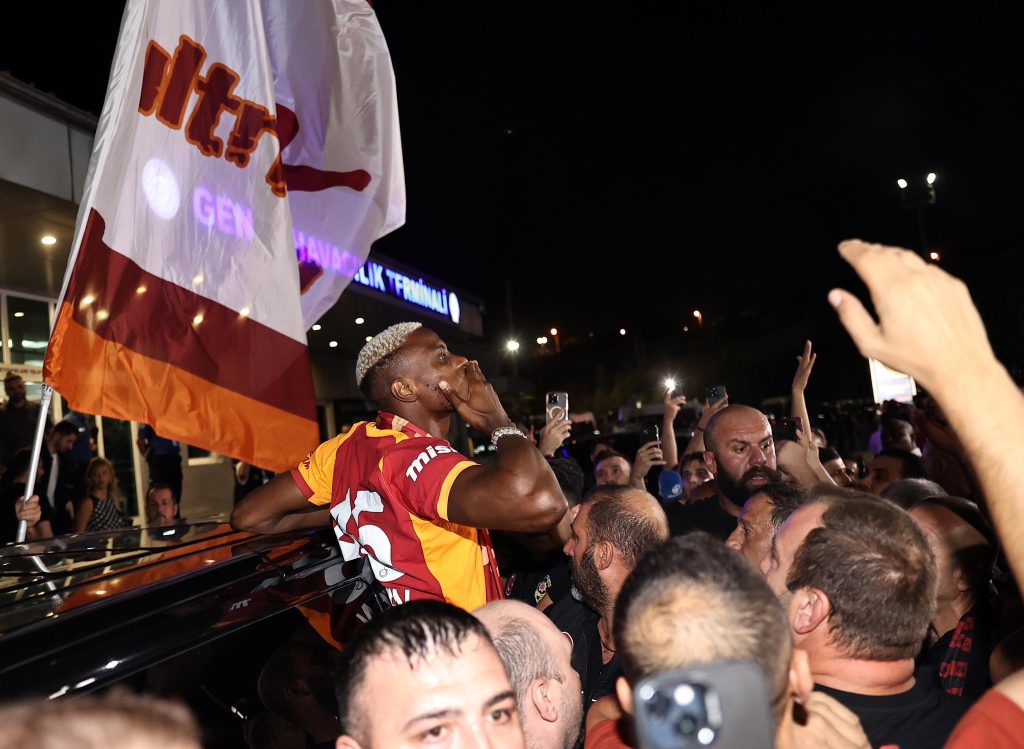
The more supporters, the more revenue. In terms of merchandising, the big three from Turkey generate a turnover that no Belgian club can even remotely match.
On the commercial front, there are a whole host of investors and sponsorship deals on top of that. Most Turkish (top) clubs are also listed on the stock exchange, allowing for the sale of shares.
Furthermore, Galatasaray recently sold approximately half a billion euros worth of training grounds to a property developer. If football money flows anywhere, it is in Turkey.
The Turkish Football Federation have no intention of putting a brake on this; quite the contrary. Nevertheless, at the start of every season, the Turkish Football Federation compile a list of spending limits per club. Fortunately for the clubs, the ceiling is not set too low.
According to the TFF’s financial committee, Galatasaray is allowed to invest a staggering 163 million euros in players. The transfer limits for Fenerbahçe (114 million), Besiktas (75 million), and Trabzonspor (46 million) also reach considerably higher than those of the Belgian top clubs, even Club Brugge.

According to that same ranking, even newly promoted Amedspor, where Besnik Hasi is the manager, is allowed to spend as much as 16.2 million on transfers. With such a budget, you could build a championship team in Belgium.
The rules in Turkey are also applied somewhat more loosely than in most Western European championships. For instance, clubs can now invest a certain amount based on projected revenues that have yet to come in. Naturally, there are financial risks involved. In Turkey, however, people are willing to take them. Now more than ever before, it seems.
But wait a minute, shouldn’t those new rich respect the European rules regarding Financial Fair Play? Of course they should. Just last June, UEFA punished Fenerbahçe for this reason, as well as 13 other European clubs, including Aston Villa, Chelsea FC, Newcastle United, and RC Strasbourg.
Nowadays, UEFA apply the ‘70% ratio’. This means that clubs may not spend more than 70 percent of all their commercial income on wages for players, coaches, and other staff. Since that was the case with Fenerbahçe, the Yellow Canaries were fined 7 million euros.
Now that the comparison with the Jupiler Pro League has come up: what about the TV revenue?
Well, in 2024, the TFF sold the broadcasting rights for the Süper Lig to beIN Sports for (converted to euros) 168 million per season. That is roughly exactly double the price DAZN pays annually for the Belgian media contract.
Turkish football is therefore better positioned internationally than ours. The total market value of all players present is along the same lines: Transfermarkt calculates the Jupiler Pro League at 975 million euros, while the Turkish Süper Lig stands at 1.5 billion.
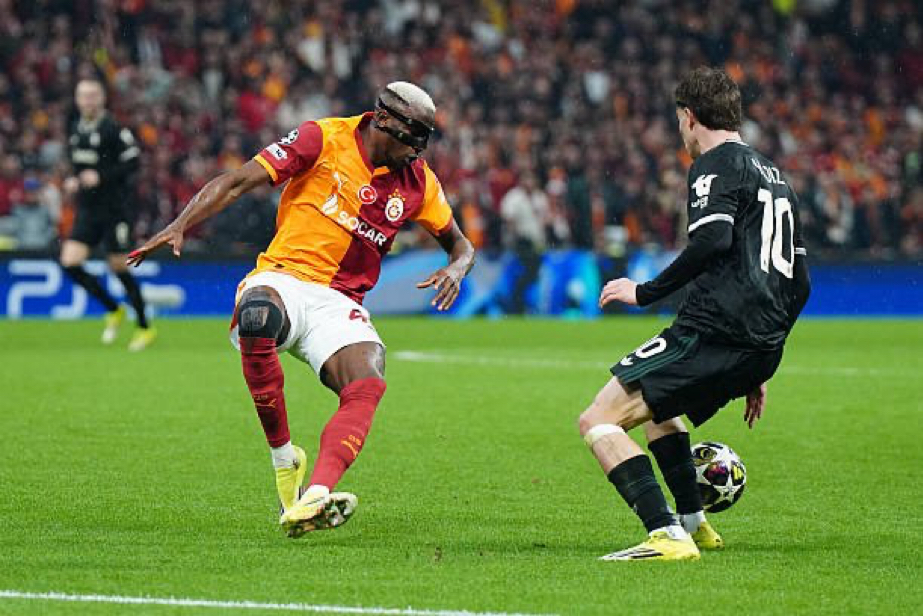
And yet… On the current UEFA coefficient list, Turkey ranks ninth, which is… two places lower than Belgium. Over the past four seasons, Belgian clubs generally performed better than their Turkish counterparts.
Last year, Galatasaray eliminated Juventus in the Champions League intermediate round, but the year before, there simply wasn’t a single Turkish club represented in the Champions League.
In the last 10 years, the quarter-finals of a European tournament were reached only twice: Besiktas in 2017 in the Europa League and Fenerbahçe in 2024 in the Conference League.
In that time span, Belgian clubs pulled off that feat four times, with a semi-final appearance for Club Brugge in the Conference League thrown in for good measure. Living proof that money can buy anything. A blissful thought, isn’t it?