Morocco is not hosting the Africa Cup of Nations because it loves football.
It is hosting AFCON 2025 because football fits neatly—and profitably—into its tourism, infrastructure, and soft-power strategy.
This distinction matters.
Across Africa, football tournaments are often justified with emotional language: unity, pride, passion, national honour. Morocco speaks a different, more consequential language. For Rabat, football is not sentiment. It is policy.
🇳🇬 🇲🇦 MOROCCO IS A JOKE!
— Football Fans Tribe 🇳🇬 ⚽ (@FansTribeHQ) December 28, 2025
WE went to Ifrane, Morocco to EXPERIENCE snow and Quad biking at the same time in the forest with Nomads… 😲⚡🔥#ifrane #afcon #afcon2025 pic.twitter.com/tOEL7wR86u
AFCON 2025 is not merely a sporting event; it is an economic instrument. Morocco stages football as a tourism accelerator—one that converts ninety minutes of sport into years of revenue, global visibility, and repeat visitation.
*Football as an Economic Engine*
What struck me most during this tournament was how Morocco quietly used digital platforms—particularly Yalla—as a soft filter to attract the right kind of visitors: football fans with spending power.
By the time many visitors decided to travel, they already had:
match tickets planned
hotels shortlisted or booked
specific cities and dates fixed
This behavioural self-selection dramatically reduced overstay risk, informal work migration, and asylum-seeking behaviour. From an immigration and tourism standpoint, these are ideal visitors: short-stay, purpose-driven, financially prepared, and consumption-oriented.
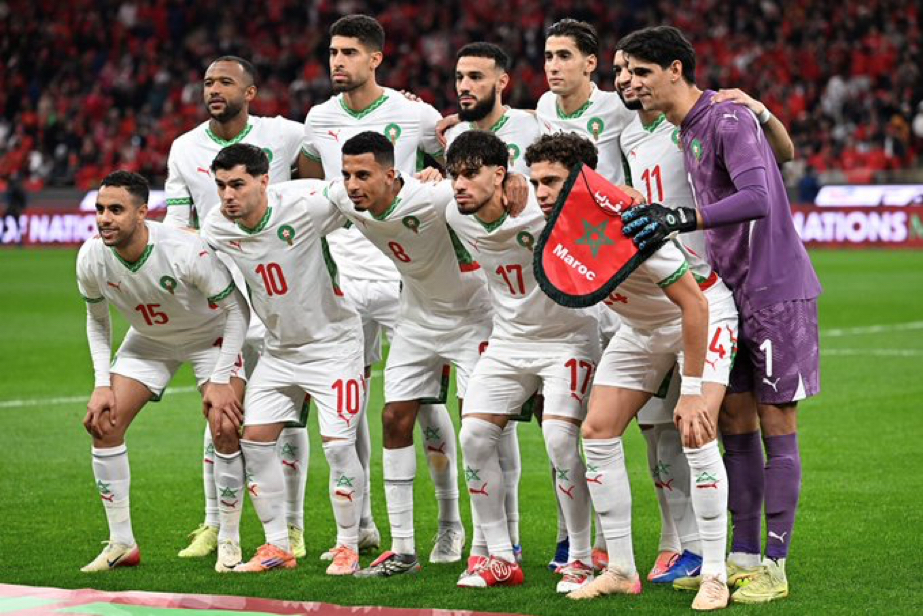
Morocco did not need heavy visa restrictions. The screening happened long before the airport—inside smartphones.
*Tourism Beyond the Stadium*
My own experience confirms this logic. Travelling with a strong cohort of young Nigerian professionals across the Fès region, one pattern was unmistakable: our spending outside the stadiums far exceeded what we spent on match tickets.
Food, artefacts, guided tours, horse riding, ski facilities in Ifrane, leisure activities in Azrou—these absorbed more money than football itself. The numbers speak for themselves. AFCON in Morocco was designed to push fans into the wider economy.
Airlines added routes. Hotels surged in occupancy. Restaurants and transport operators ran at full capacity. Artisans, guides, and small tourism businesses accessed new markets. Cities enjoyed sustained footfall long after the final whistle.
For Morocco, AFCON is not a cost centre.
It is a return-on-investment platform.
This stands in sharp contrast to the last AFCON hosted by Ivory Coast, which—despite organisational success—functioned largely as a fiscal burden on the host country. Morocco’s tournament, by contrast, plugged seamlessly into an already mature, elite tourism infrastructure designed to monetise attention.
Branding Morocco, Not Just Matchday Morocco
Another strategic masterstroke is how Morocco dispersed visitors across multiple cities—Fès, Marrakesh, Casablanca, Tangier—each curated to tell a distinct national story: spiritual depth, imperial history, coastal modernity, and continental connectivity.
This is deliberate place-branding. Fans arrive for football and leave with Morocco embedded in memory, itinerary, and recommendation.
*Stadiums as Civic Assets*
Moroccan stadiums are not white elephants. They are embedded in urban plans—road-linked, rail-connected, CAF/FIFA compliant, and usable year-round. Hybrid pitches, strong maintenance regimes, and operational professionalism ensure reliability.
The payoff is compounding: repeat hosting rights, confidence from international bodies, and sustained global exposure. Infrastructure here multiplies value instead of consuming it.
*Soft Power in Full View*
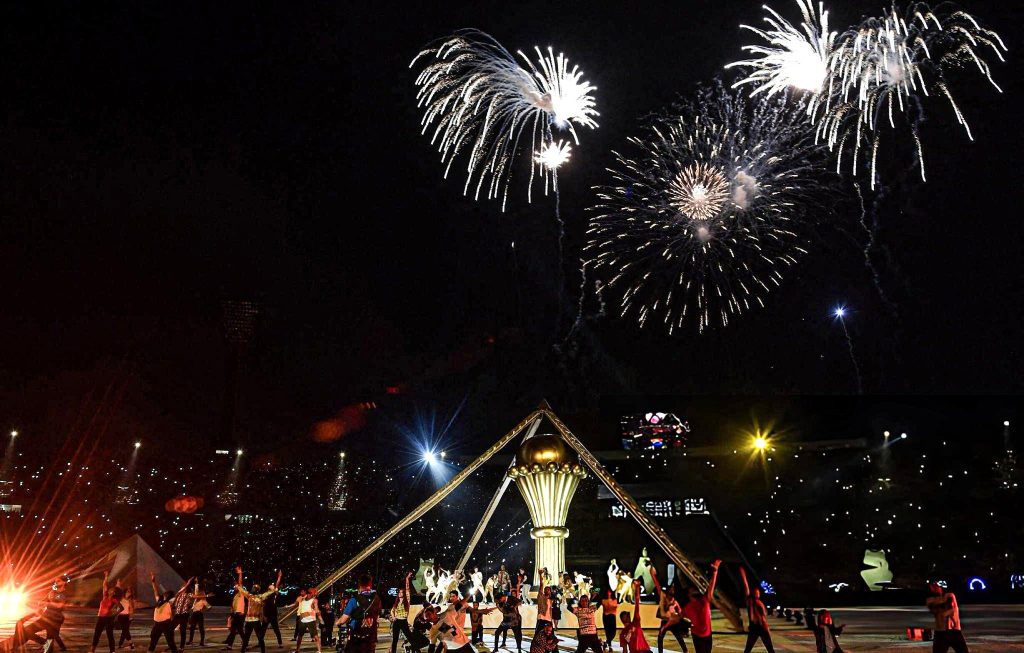
AFCON also functions as diplomacy without speeches. Hospitality, safety, transport efficiency, and cultural programming quietly communicate competence and stability—not just to fans, but to investors, federations, and future event partners.
Football becomes soft power with measurable economic outputs.
The Contrast That Matters
Many countries treat tournaments as prestige expenses.
Morocco treats them as national development instruments.
The difference lies in planning horizon. Morocco counts post-tournament hotel nights, repeat visits, airline demand, and media afterglow. Prestige is welcome—but spend is the metric.
*The Real Reason*
Morocco hosts football tournaments because tourism pays, branding compounds, and infrastructure multiplies value. AFCON 2025 is not an indulgence; it is a masterclass in how sport—when governed with intent—becomes a sustainable growth engine.
Football is the hook.
Tourism is the harvest.
Morocco understands both.
*Sola Fanawopo, Chairman Osun Football Association writes from Morocco*