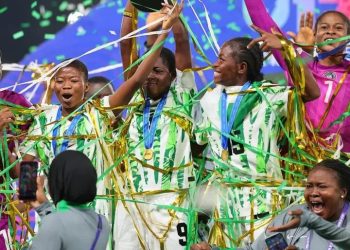
Oluebube Umejiaku begun the U17 Women’s World Cup on the bench. She ended it in the headlines as the final’s decisive scorer and the tournament’s standout player.
Her ascent, in many ways, mirrored Nigeria’s. She scored as a substitute in their opener with Poland, but that strike was scant consolation in a 2-1 defeat. Further goals against DPR Korea, Mexico and in the decider with Japan, though, helped her nation to wins, and to become the first team to lose their opener before lifting the title.
“Every time I went to training and every time I slept, I told God that I’m praying for all the people that are starting. But when I wanted to start, I just told God that it is my time,” an ecstatic Umejiaku said to FIFA at full-time.
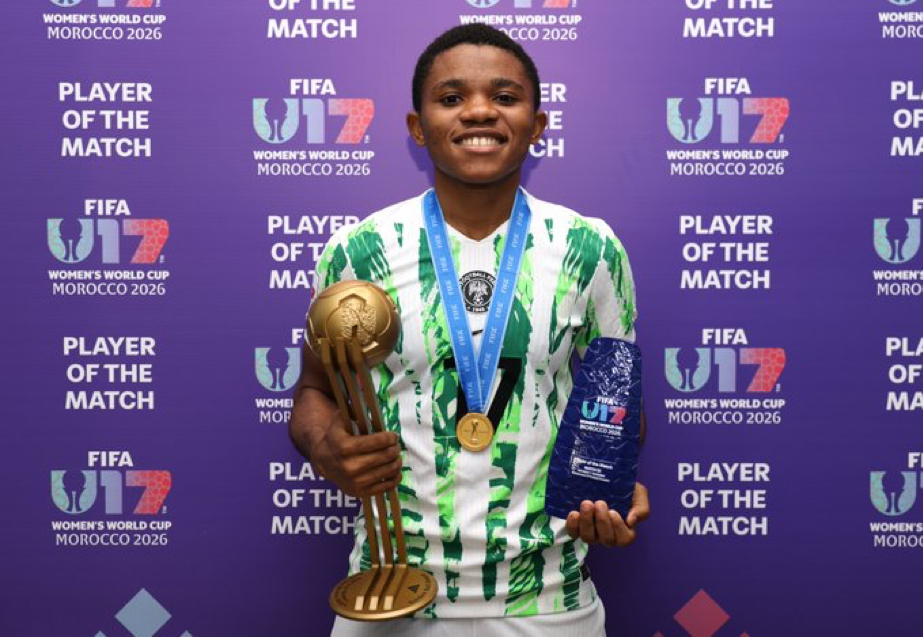
“When we lost the first game against Poland, everybody said we needed to wake up because we didn’t come here to look at anybody’s face and we have to take every game as a final. We don’t downgrade anything; we play and we put all our best into every game.”
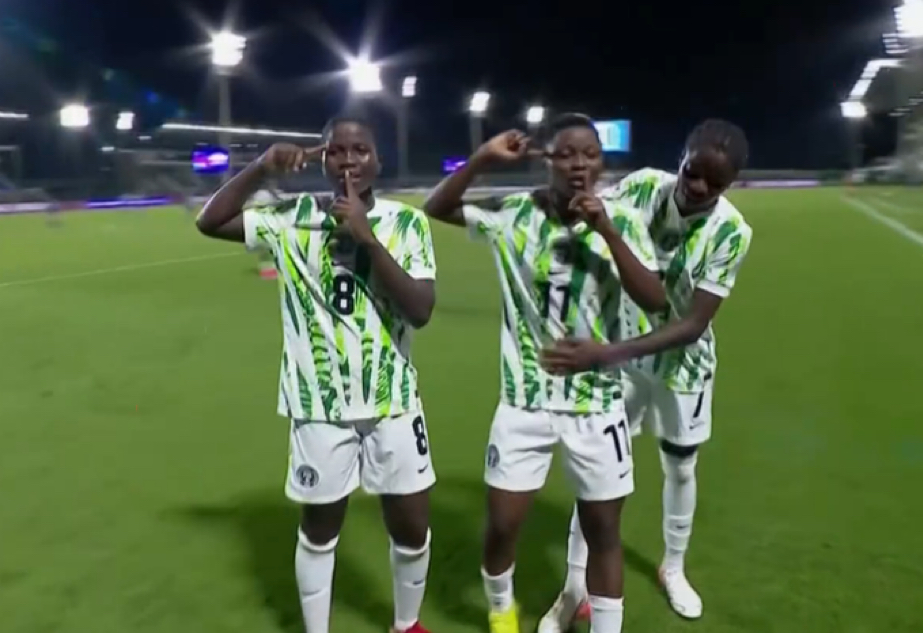
Awawu Bashiru was another player who didn’t immediately fit into coach Akeem Busari’s plans, playing just 77 minutes between their opener and the quarter-final with Venezuela. But she was brought in for her first start versus Brazil and netted twice, before scoring the opening goal in the final.
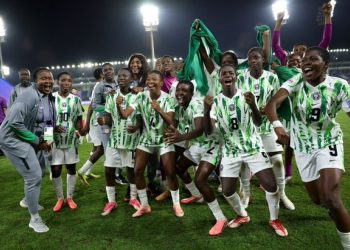
“I’m so happy, I’m so excited and I’m so grateful,” she said. “The teamwork, instructions and listening to our coaches is why we got the goals and why we won the final. We are history-makers. We made Nigeria, and the millions of people there, proud.”
Busari’s tweaks to the line-up eventually paid dividends, though he doesn’t see those changes as a coaching masterstroke, but rewarding players who continued to show up and earned their chance to shine.
“No matter how good you are, I’m a coach that plays on character,” Busari said of making those key changes. “It’s all about mindset, attitude and merit; if they’re there, you get your playing time. If they’re not there, you’re waiting to come in. As a coach, we want everyone to wire up and play together.”
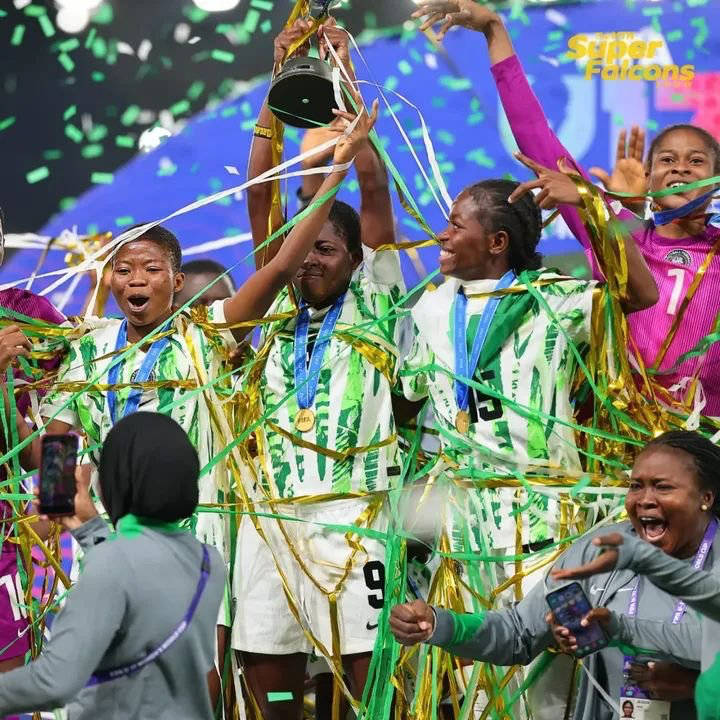
Nigeria have become the first African nation to lift this title, the first country from the continent to triumph at a women’s FIFA event, and have ensured a Nigerian side, male or female, have won the U-17 global finals in each of the previous five decades. The Flamingos, though, don’t want to stop here.
“I’m very happy because now we have broken the chain,” Umejiaku added. “In Africa we always win – that’s a promise. We’ve won, and now we’ll be winning and winning, that’s just it. We thank God for everything.”
“We can expect more from Nigeria,” Bashiru added. “We are winning and we’ll bring the same energy, the same zing, at the next U-17 Women’s [World Cup].”
“This is a turnaround for Africa,” Busari concluded. “In terms of youth-age football, it’s improving and here we could really come and compete. Being a champion is going to go a long way to really motivate us, and we are sending a signal, a message to the world that Africa is really coming.”
Adapted from fifa.com