The stranglehold on the NFF leadership by state FA chairmen since 2010 has finally been broken after the resignation of the NFF executive committee led by Ibrahim Gusau and the re-organisation of the federation’s secretariat.
Since the 2010 NFF Statutes came into force during the time of then FCT FA chairman Sani Lulu, the NFF leadership has been dominated by state FA chairmen.
Aminu Maigari, then Bauchi FA chairman, succeeded Lulu as NFF president in 2014,
Amaju Pinnick, long-term Delta State FA chairman, was next in line of the succession plan as he led Nigerian football for two terms, from 2014 to 2022.
Zamfara State FA chairman, Ibrahim Gusau, was then selected as the NFF president in September 2022 in Benin City before he resigned his position this past week.
The dominance of the state FA chairmen was expected as they made up 37 of the 44-person NFF congress that elects the NFF executive committee.
Even the recent cosmetic ammendment of the NFF statutes to take in eight more delegates drawn mainly from the league clubs would not have diluted the power of the state FA chairmen.
The state FA chairmen held supreme because they constituted the only voting bloc of the NFF congress, which in effect meant the so-called NFF elections were merely selection processes.
So, had next month’s NFF polls slated for Lafia held, Gusau would have returned as president and most of the principal officers of his administration would also have continued in office whether or not they were deserving.
The end of the NFF congress as we have known it since 2010 came this past week, when a congress member called for an emergency congress in Abuja even when he did not have the legal standing to do so.
An NFF congress is called by the President and communicated to the assembly by the general secretary and in this instance both executives were not in place following their dramatic resignations Wednesday night.
And so the meeting by the congress members who made their way to Abuja was what an observer simply described as “a meeting of longtime friends in Abuja”.
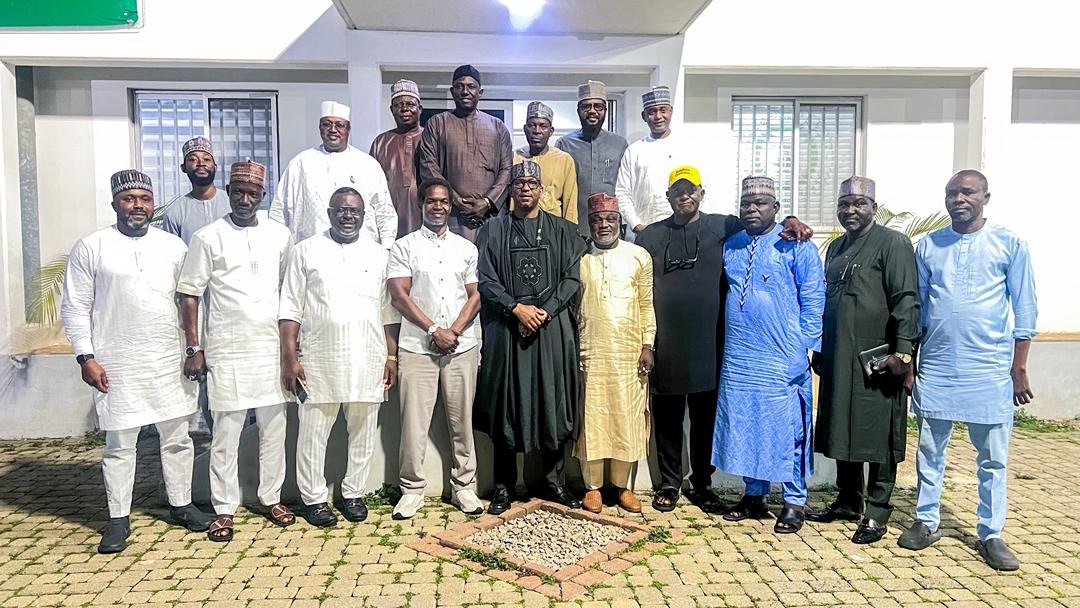
There were shouting matches and some rowdy scenes during these meetings, otherwise they did not offer any resistance to the New Order, rather they embraced their own sack with a media statement that spoke of “hard reset” and the urgent need for Nigerian football reform.
The in-coming Normalisation Committee will finally nail their coffin.