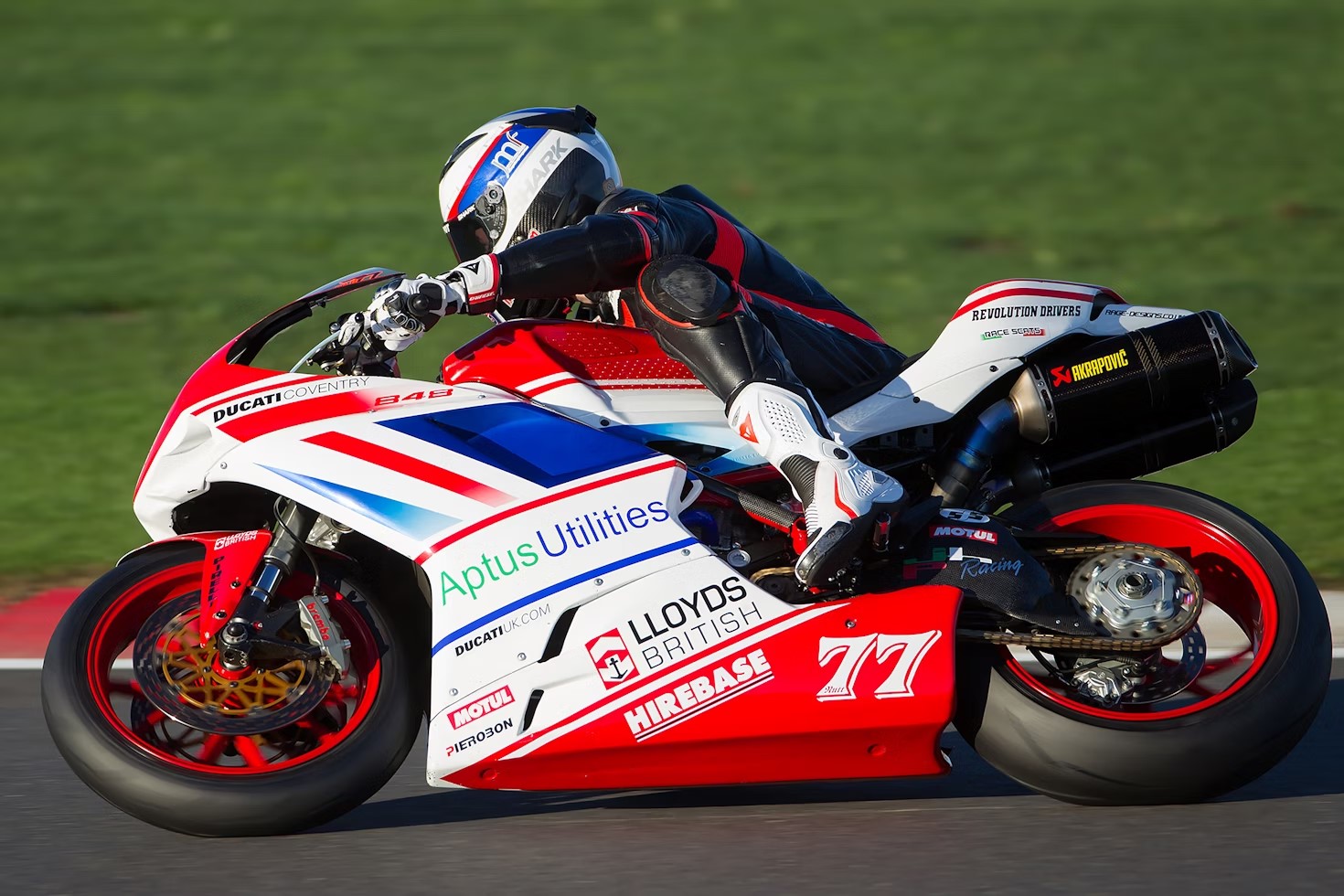
Auto racing helmets are a must-have for anyone involved in motorsport. This guide aims to help you choose the right auto racing helmet, taking you through important aspects like types, features, and certifications.
Why Auto Racing Helmets Are Essential
Auto racing helmets are essential for several reasons, primarily focusing on the protection they offer to drivers. Let’s delve into why these helmets are such a pivotal part of car racing:
- Protection from Head Injuries: Helmets are designed to absorb impact energy during a collision, reducing the chances of head injuries.
- Improved Visibility and Focus: Many helmets feature visors that reduce glare and enhance visibility, allowing drivers to focus better.
- Integrated Communication: Advanced helmets come with built-in communication systems, making it easier to stay connected with the pit crew.
For a broader perspective, look at accident data and statistics from reputable sources such as the National Highway Traffic Safety Administration. Studies show that wearing a helmet significantly reduces the risk of severe head injuries in crashes.
In summary, wearing a car racing helmet is not just about following regulations—it’s about protecting yourself. Skipping this essential piece of gear can result in serious consequences, so always prioritize safety by choosing and using a quality helmet. This guide will help you make the best choice for your auto racing adventures.
Understanding Different Types of Car Helmets
When diving into the world of auto racing, understanding the variety of car helmets available is essential. Different types offer distinct levels of safety and comfort, which can significantly affect your racing experience. Below are some common types of automotive racing helmets:
Open-Face Helmets
- Description: These helmets have an open area at the front, leaving the face exposed.
- Safety: While providing more ventilation, they afford less facial protection.
- Comfort: Preferred for their lightweight feel and broader field of view.
- Use Case: Often favored in less aggressive racing environments.
Full-Face Helmets
- Description: These helmets completely encompass the head, including the face.
- Safety: Offers greater protection for the face, jaw, and overall head.
- Comfort: Provides a snug fit with limited airflow, making ventilation a crucial factor.
- Use Case: Ideal for high-speed racing where maximum protection is required.
Further Considerations
- Modular Helmets: A hybrid between open and full-face helmets, allowing the chin bar to flip up.
- Rally and Drag Racing Helmets: These come equipped with specific features tailored for the particular demands of each racing type.
To ensure you’re making a well-informed decision, consider visiting reputable racing organizations such as the FIA for further insight into helmet specifications and safety recommendations.
Key Features to Look for in Automotive Racing Helmets
When it comes to car racing helmets, certain features can make a significant difference in both protection and comfort. Here’s what you should pay attention to:
Ventilation
- Importance: Adequate airflow helps maintain a cool head, reducing sweat and discomfort during races.
- How to Check: Look for adjustable vents that allow you to control the airflow inside the helmet.
Weight
- Importance: Lighter helmets reduce strain on the neck, improving driver comfort during long races.
- How to Check: Compare weight specifications when choosing a helmet, opting for lighter options without compromising safety.
Material
- Importance: The material impacts both safety and weight. Common materials include polycarbonate, fiberglass, and advanced composites.
- How to Check: Advanced composites usually provide the best balance of strength and weight.
Padding and Lining
- Importance: Quality inner linings enhance comfort and are essential for proper fit and safety.
- How to Check: Seek helmets with removable, washable liners to maintain hygiene and prolong helmet life.
When evaluating helmets, resources like Road & Track can provide detailed comparisons and expert insights into the latest helmet technologies and innovations.
By understanding these features, you can ensure your helmet not only meets your safety needs but also contributes to a comfortable and enjoyable racing experience.
Certification Standards for Helmets Racing
When it comes to choosing the right helmet for racing, understanding certification standards is crucial. Certifications ensure that the helmet meets specific safety requirements and offers adequate protection during auto racing. Here is what you should know about the important helmet certifications:
- Snell Certification: Managed by the Snell Foundation, this certification is highly respected in motorsports. It involves rigorous lab tests to assess the helmet’s performance in various impact scenarios.
- DOT (Department of Transportation): This standard is mandatory for helmets on public roads in the United States. While it’s primarily for motorcycle helmets, it’s worth knowing about for crossover purposes.
- FIA Standards: The Fédération Internationale de l’Automobile (FIA) sets standards for racing helmets used in professional auto racing events worldwide. Helmets with FIA certification are tested for extreme conditions experienced during racing.
These certifications are essential indicators of a helmet’s protective qualities. When purchasing, always check for one or more of these certifications to ensure maximum safety.
How to Choose the Right Helmet for Racing
Selecting the correct helmet for racing is a critical process that requires attention to various factors. Here’s a step-by-step guide to help you choose the best auto racing helmet:
- Determine Your Needs:
- Identify if you’ll be participating in specific racing categories. Different types of racing might have specific helmet requirements.
- Consider the level of competition you’ll be engaging in—is it amateur or professional?
- Check Certification Labels:
- Look for Snell, DOT, or FIA certifications on potential helmets. This ensures safety standards are met.
- Focus on Fit and Comfort:
- Measure your head size and shape to select the suitable helmet size.
- Try on the helmet to ensure a snug fit. It should be tight but comfortable.
- Evaluate Helmet Features:
- Consider the importance of features such as ventilation for comfort, and weight for ease of use during long sessions.
- Pay attention to the helmet’s material. Lightweight yet durable materials are often preferred.
- Avoid Common Mistakes:
- Don’t buy a helmet based solely on price. Safety and fit should always be priorities.
- Avoid outdated models that might not meet current safety standards.
By following these steps, you’ll be well-equipped to choose a helmet that provides both safety and comfort, ensuring an optimal racing experience.
Maintaining and Caring for Helmets for Racing
To ensure your helmet for racing remains effective and lasts long, proper maintenance is crucial. Here’s how you can care for your automotive racing helmet:
- Regular Cleaning
- Use mild soap and warm water to clean the exterior. Avoid any harsh chemicals which could damage the material.
- For the interior, check if your helmet has removable padding—most do. Clean these with mild detergent and let them air dry.
- Ventilation Maintenance
- Clear the ventilation holes regularly to maintain airflow, ensuring your helmet stays fresh and comfortable.
- Helmet Storage
- Store in a cool, dry place away from direct sunlight. Excessive heat or cold can compromise the helmet material.
- Use a helmet bag for additional protection during storage or transport.
- Check for Damage
- Regularly inspect your helmet for any cracks or damage. Even minor damage can affect the helmet’s protective capabilities.
Top Brands and Products in Car Racing Helmets
When it comes to choosing a helmet for automotive racing, quality brands provide a reliable choice. Here are some leading brands and models known for their quality and safety:
- Arai Helmets
- Known for advanced safety features and exceptional comfort.
- Models such as the Arai GP-6 provide top-notch protection and performance.
- Bell Helmets
- Offers a wide range of helmets for various racing needs.
- The Bell GTX.3 is popular for its balance of safety, comfort, and ventilation.
- Shoei Helmets
- Renowned for aerodynamic designs and durability.
- Shoei’s X-Fourteen offers cutting-edge aerodynamics and fit.
- Simpson Race Products
- Known for rugged construction suitable for extreme racing conditions.
- The Simpson Diamondback is widely used in professional racing circuits.
Choosing a well-reviewed brand can give you confidence in your helmet’s reliability.