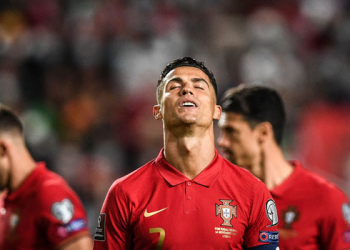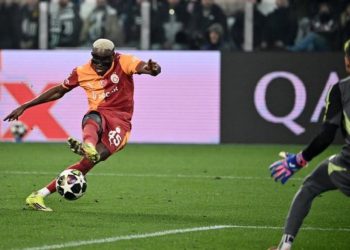
Loud comebacks, refereeing controversies, VAR, emerging heroes, and tactical battles are among the main Champions League storylines that all of Europe is talking about.
From Comebacks to Controversy: The Latest Talking Points in the Champions League
The UEFA Champions League is still the most exciting club football competition in the world. There is more to every gameday than just goals and scores, as fans follow matches through live moments and livescores from across Europe. It tells stories that players, fans, and commentators remember long after the last whistle blows. The tournament’s enduring appeal is defined by thrilling comebacks, contentious refereeing calls, up-and-coming talent, and tactical battles between top coaches.
These are the main themes that dominate conversations about the Champions League today.
The Era of Mental Strength and Comebacks
One of the competition’s defining features is its ability to produce spectacular comebacks. Teams that appear defeated at the end of the first leg, or even after just one half, often find the confidence and momentum to turn the game around.
Comebacks in the Champions League happen for several key reasons:
- outstanding individual performances that can change the course of a match
- deep squads with valuable options on the bench
- intense psychological pressure that exposes both weakness and resilience
Scorelines such as 0–2 or 1–3 rarely decide the outcome. Turnarounds have become a core part of the Champions League’s identity, creating legendary European nights that fans remember for years.
VAR’s Function in Refereeing Decisions
One of the most common topics of discussion is refereeing, especially the impact of VAR. Even though video technology was developed to increase equity, disagreement still exists.
Players, coaches, and supporters frequently criticize the following:
- conflicting choices in similar circumstances
- long pauses can impact the flow of the match
- subjective views even upon a review of the video
A single penalty, red card, or disallowed goal in the Champions League can decide advancement and have serious financial repercussions. Refereeing decisions are therefore scrutinized in great detail and dominate post-match discourse on media platforms.
New Talents on the Stage in Europe
For a long time, the Champions League has given rise to new stars. Against the best teams in Europe, young players who were previously unknown to a small public frequently put on important performances.
The competition speeds up careers for several reasons:
- Unmatched worldwide media exposure
- Opposition quality is constantly high.
- True skill is soon revealed by the strain and tempo.
A player’s reputation can be completely changed by one exceptional performance in a knockout match, drawing interest from the top clubs on the continent.
Elite Managers’ Tactical Rivalries
The Champions League serves as more than just a platform for athletes. Some of the most well-known managers in the game are competing with one another for ideas. Many coaches create their teams and game plans especially for European play, often giving it precedence over domestic campaigns.
Important tactical advancements include:
- mechanisms that are flexible and change throughout games
- Full-backs playing in the middle
- more focus on managing tempo as opposed to just possession
For those who value the strategic aspect of football, these tactical matches are particularly captivating and give the tournament more complexity.
Stadium Ambience and Home Advantage
In the Champions League, atmosphere is crucial. In second-leg contests, when pressure is at its peak, home grounds frequently offer a definite advantage.
Teams react to hazardous circumstances in different ways:
- Some find it difficult to handle the intensity.
- It gives others confidence, which improves their performance.
Even the most skilled teams are still susceptible in away games throughout Europe because of this dynamic.
The Key Factors Driving the Champions League’s Rise
The Champions League stands out because it brings together drama, emotion, controversy, and elite-level football. In this competition, every detail matters, and even the smallest moment can shape the course of an entire season.
Its global popularity continues to grow thanks to:
- intense rivalries between the world’s top clubs
- unexpected storylines that unfold in every season
- unforgettable moments that stay with fans long after the campaign ends
In conclusion
The Champions League continues to be football’s most potent conversation starter, from incredible comebacks to persistent refereeing disputes. Every round features fresh narratives, fresh characters, and fresh topics of conversation, followed closely by fans tracking every moment through platforms like soccer livescore mobile. For this reason, people participate in the competition rather than just watching it. It continues to influence contemporary football and create moments that go down in the history of the game.