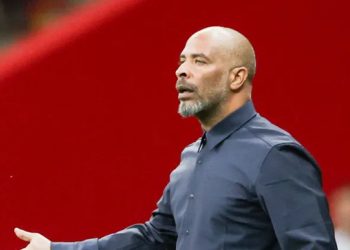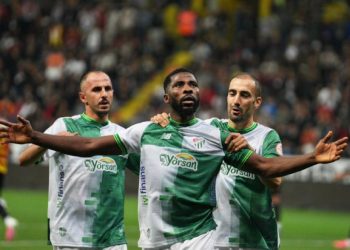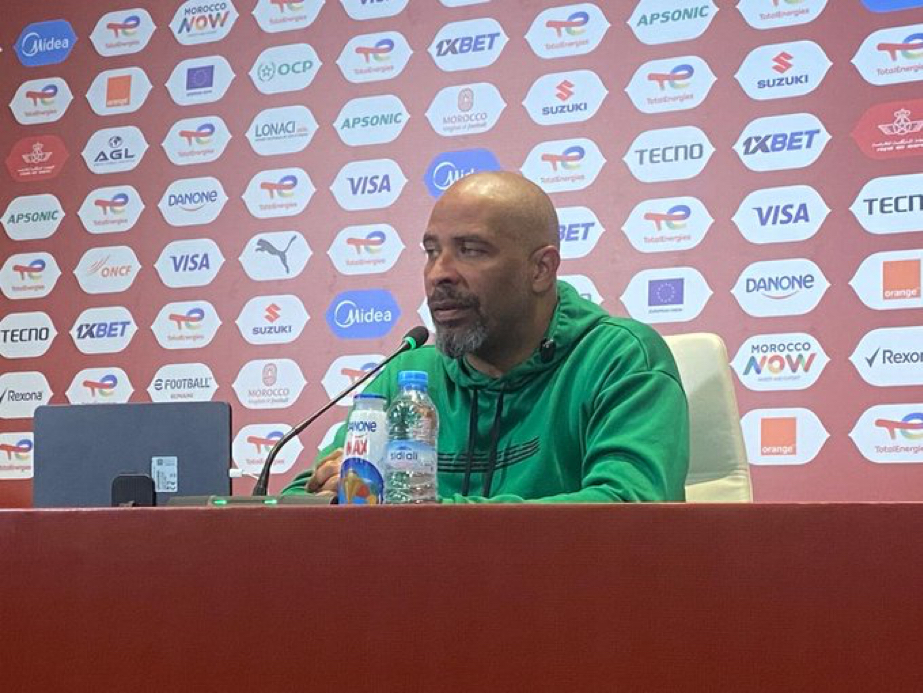
In a tournament often dominated by reputations and résumés, Eric Chelle has quietly flipped the script. His emergence at AFCON has not been loud, theatrical, or self-promotional. It has been methodical—and that is precisely why it has worked.
That Confederation of African Football voted him Best Manager of the Group Stage is no accident. It is institutional recognition of something Africa’s football observers have felt week after week: Nigeria finally looks coached.
Under Chelle, the Super Eagles are not just winning; they are controlled. Defensive distances are compact. Pressing triggers are clear. Rotations in midfield are rehearsed, not improvised. Players look certain of their roles—even when the starting XI changes.
That clarity is the rarest currency at international tournaments.
What Chelle has done is resist the Nigerian temptation of chaos-as-identity. Instead of emotional football, he has delivered functional dominance.
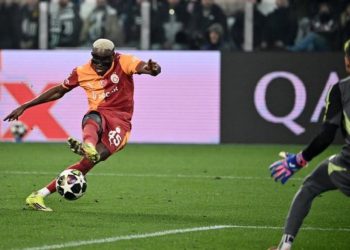
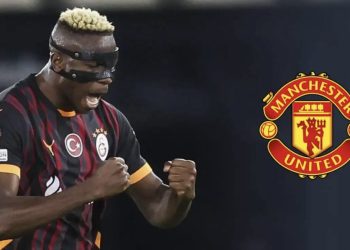
Instead of over-reliance on stars, he has built structure. Osimhen shines, yes—but within a system that protects him, feeds him, and survives without him.
This is why the group stage mattered. It was not about the scorelines alone; it was about repeatability.
Nigeria looked the same in match one as in match three.
That consistency is the signature of elite tournament management.
Chelle’s rise also carries a broader message for African football: modern success is less about pedigree and more about preparation.
Less about slogans, more about spacing.
Less about shouting on the touchline, more about solving problems before they appear.
The award from CAF is timely—but it should be seen as a beginning, not a coronation.
Eric Chelle is not just rising.
He is building.
And at AFCON, that is how titles are won.
By Sola Fanawopo, Chairman Osun Football Association writes from Morocco